I am deeply honored and so excited to share that my proposal, “The Milk & Mood Connection,” has been officially selected for presentation at the upcoming Canadian Perinatal Collective Conference, taking place November 4–6th!
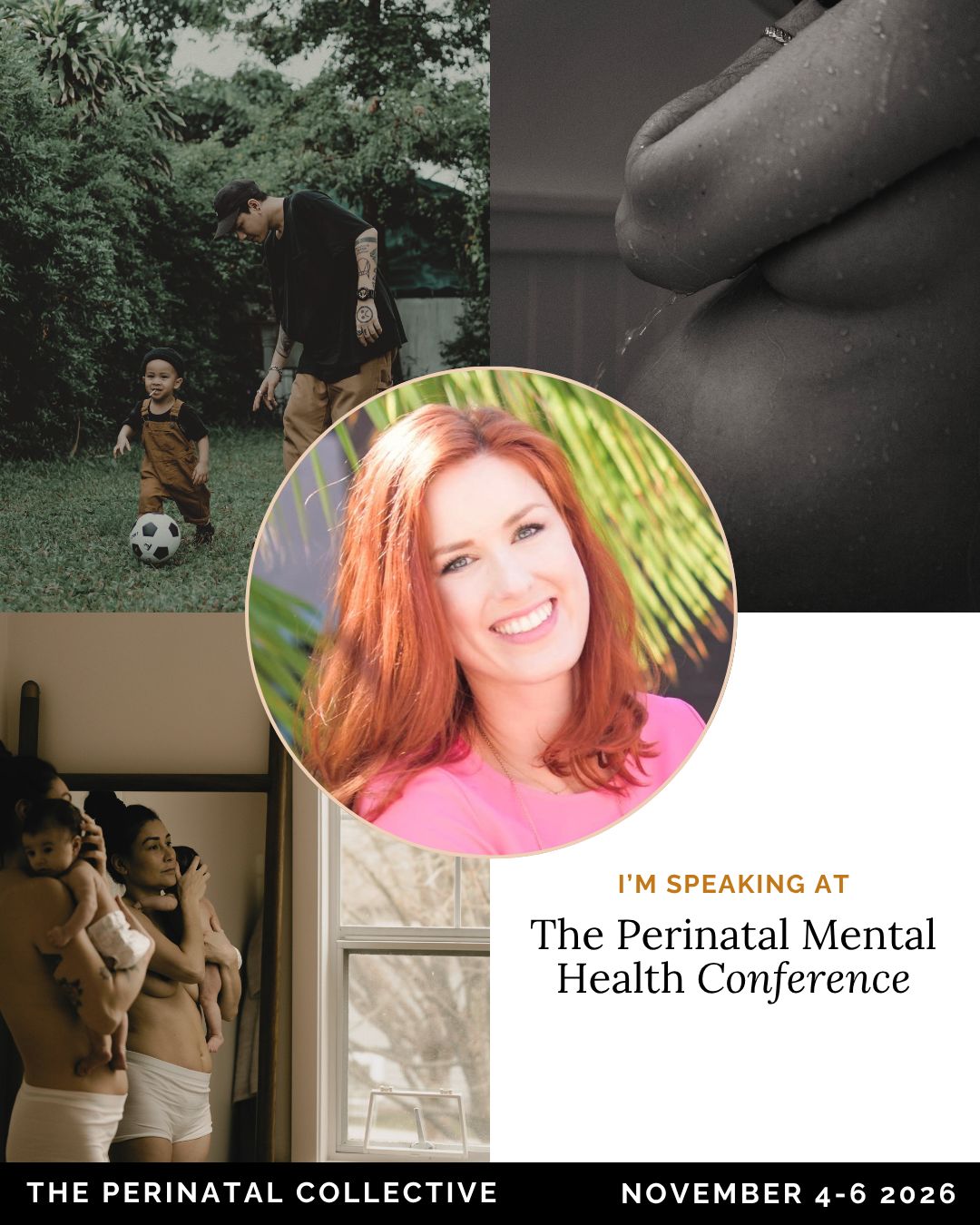
This conference brings together over 55 passionate clinicians, researchers, authors and advocates dedicated to advancing perinatal mental health and family wellness. The intersection of lactation and emotional well-being is an up and coming, vital area of study and clinical practice, and I am thrilled to contribute to this important conversation on an international platform. The groundbreaking research over the last few years that has emerged around lactation, PMDD, and perimenopause is incredibly helpful for understanding what our clients are experiencing and why.
My Presentation Goals:
Differentiating Complex Diagnoses: equipping clinicians to identify and differentiate between DMER (Dysphoric Milk Ejection Reflex), BAA (Breastfeeding Aversion and Agitation), trauma responses from PTSD, and intrusive thoughts stemming from breastfeeding-focused OCD. I reached out to the researchers who created the DMERq Scale, and they gave us permission to use it for the purposes of this presentation, as well.
Physiological Understanding & Reducing Shame: a central goal of mine is to break down the underlying physiology of DMER and BAA to actively reduce shame, distress, and self-blame for clients experiencing these medical conditions. But we’re not going to stop with identifying, diagnosing and understanding…
Actionable Clinical Tools: The presentation focuses on equipping practitioners with compassionate ways to provide treatment options, and practical somatic and EMDR skills to alleviate breastfeeding-related distress.
My Why:
Here is what the data and clinical landscape reveal about what mothers experience:
- D-MER (Dysphoric Milk Ejection Reflex): Affecting 9% to 27% of breastfeeding individuals, D-MER involves an abrupt wave of dysphoria, ranging from anxiety to profound sadness, that occurs right as milk lets down, driven by sudden hormonal shifts.
- Breastfeeding Aversion and Agitation (BAA): Impacting approximately 20% of nursing mothers, BAA manifests as an intense, visceral skin-crawling or irritable emotional response specifically during feeds.
- Trauma Re-activation: Breastfeeding can inadvertently re-activate past trauma, making mothers one of the highest-risk groups for developing PTSD (4% to 44%).
- The PMDD Connection: For the 3% to 8% of individuals who experience Premenstrual Dysphoric Disorder, the underlying physiological sensitivity is often mirrored during lactation and hormonal fluctuations.
- Postpartum OCD: Seen in 8% to 17% of mothers, postpartum OCD frequently manifests or centers directly around distressing breastfeeding or infant-care themes.
- Intrusive Thoughts: An overwhelming 70% to 100% of new mothers experience intrusive, unwanted thoughts during the postpartum period, which can feel terrifying without proper psychoeducation and support.
Join the Conversation
If you are interested in attending the conference or want to ensure you don’t miss any updates, insights, and resources from the session, I would love for you to attend and connect with me! Click here to sign up for the conference and be a part of this exciting, deep dive into perinatal mental health.
